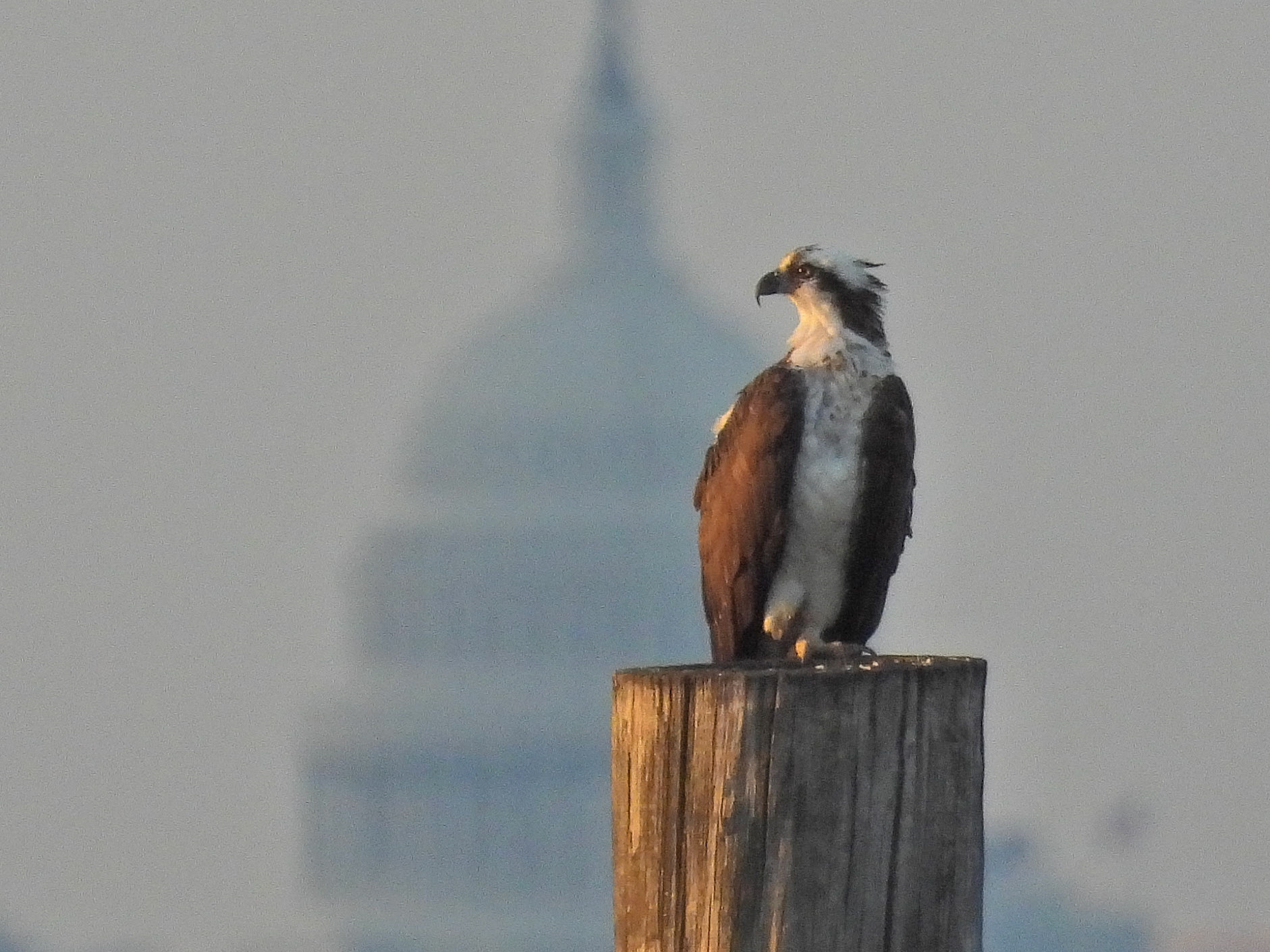
Alexandria Waterfront and Jones Point
2026
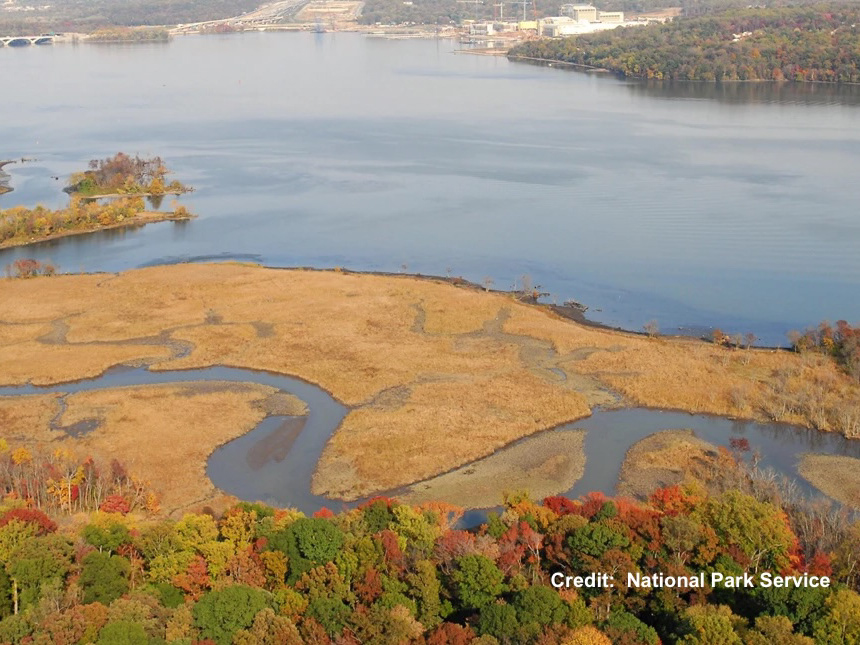
Dyke Marsh Wildlife Preserve
Dyke Marsh is a freshwater wetland and wildlife preserve located on the west bank of the Potomac River south of Alexandria, Virginia. Dyke Marsh consists of about 380 acres of tidal marsh, floodplain, and swamp forest.
2026
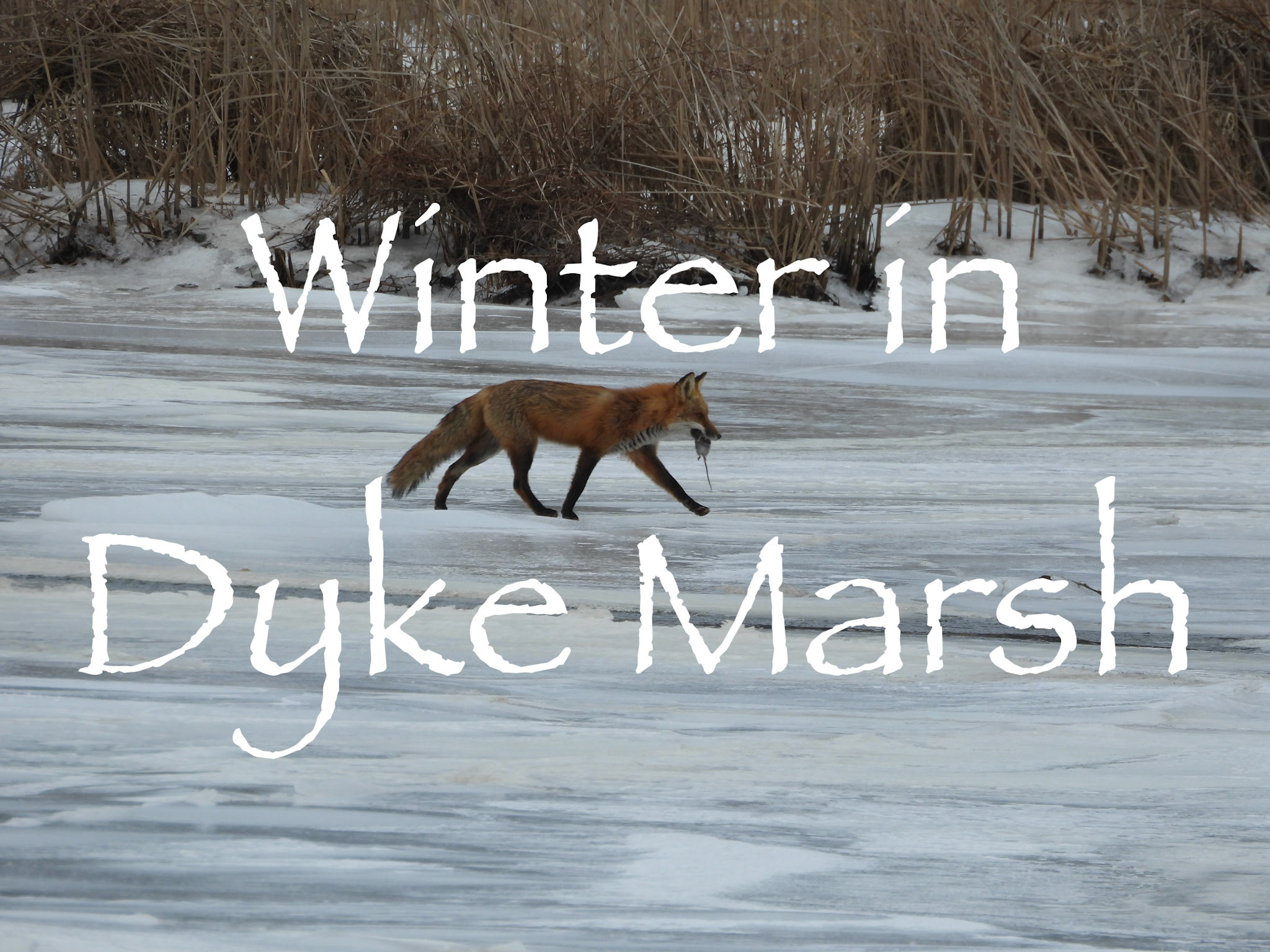
Winter in Dyke Marsh
Dyke Marsh Wildlife Preserve is a freshwater wetland and wildlife preserve located on the west bank of the Potomac River south of Alexandria, Virginia. Dyke Marsh consists of about 380 acres of tidal marsh, floodplain, and swamp forest.
2026

Hawk Family Album
Chronicle of Red Shouldered Hawks raising young in Northern Virginia in 2025.
2025
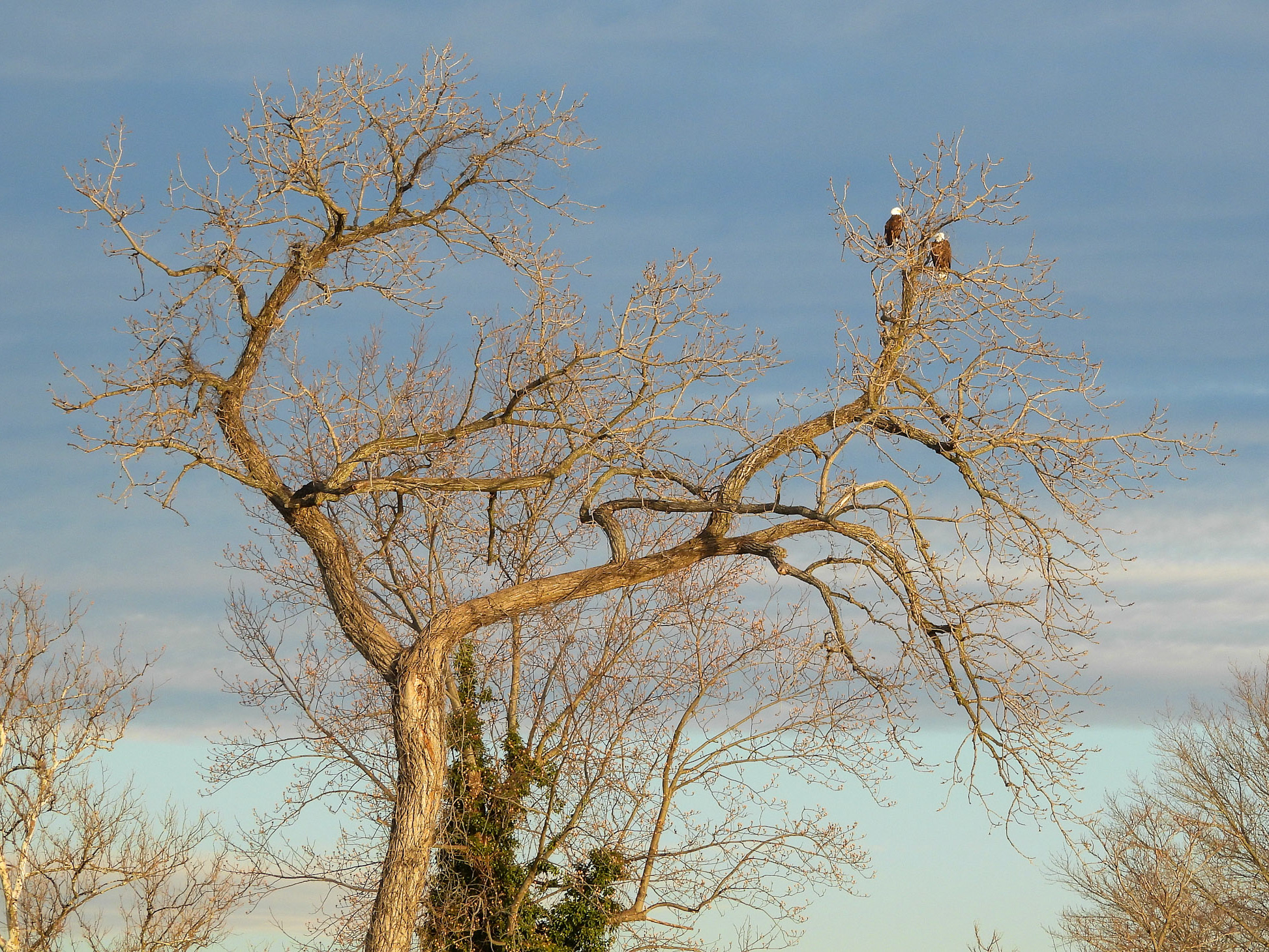
Bald Eagle Family Album 2026
Chronicle of a family of Bald Eagles in Dyke Marsh Nature Preserve
2026
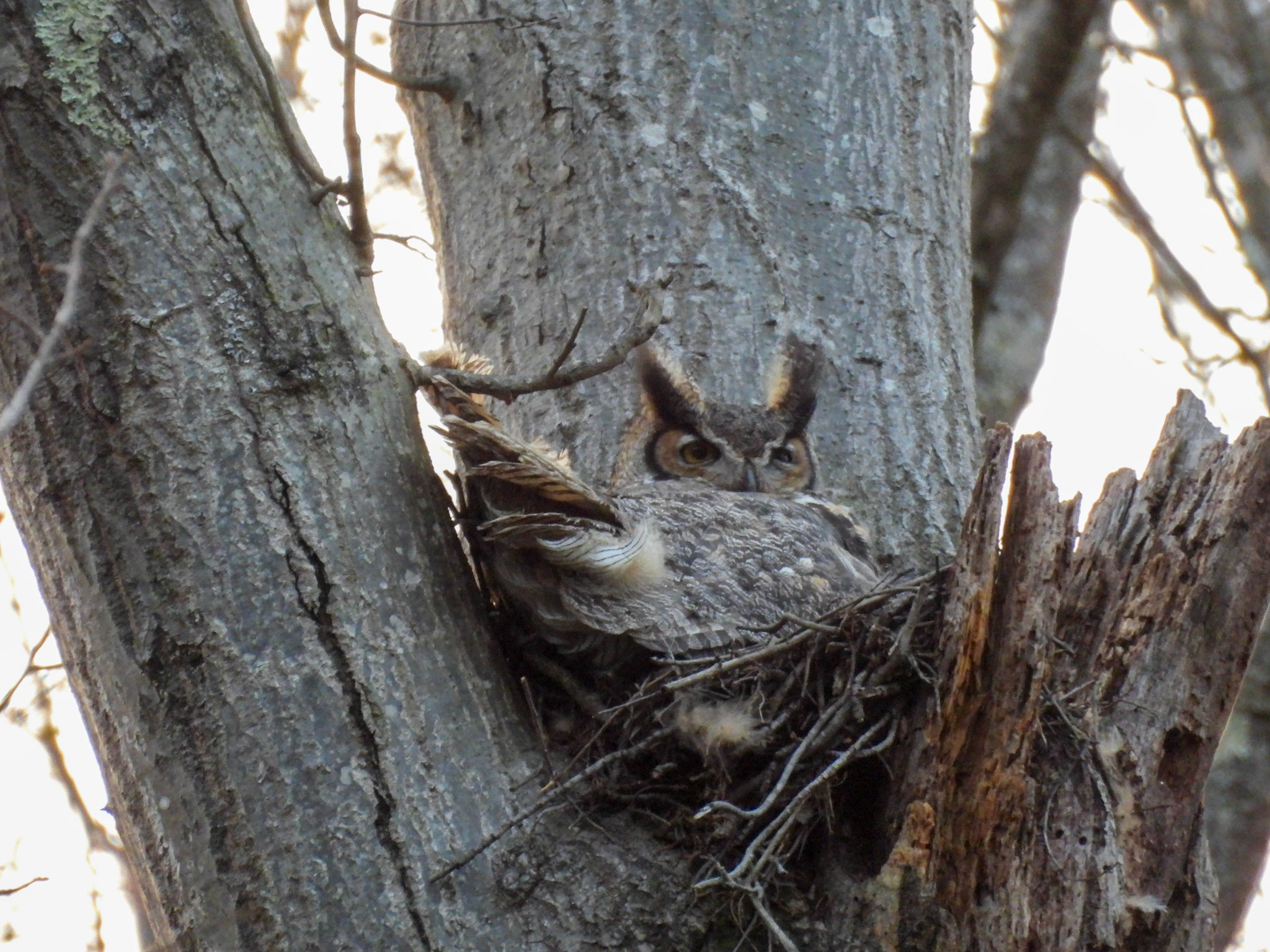
Great Horned Owl Family Album
Chronicle of a family of Great Horned Owls in Huntley Meadows park and wetland wildlife sanctuary in Fairfax County, Virginia.
2026
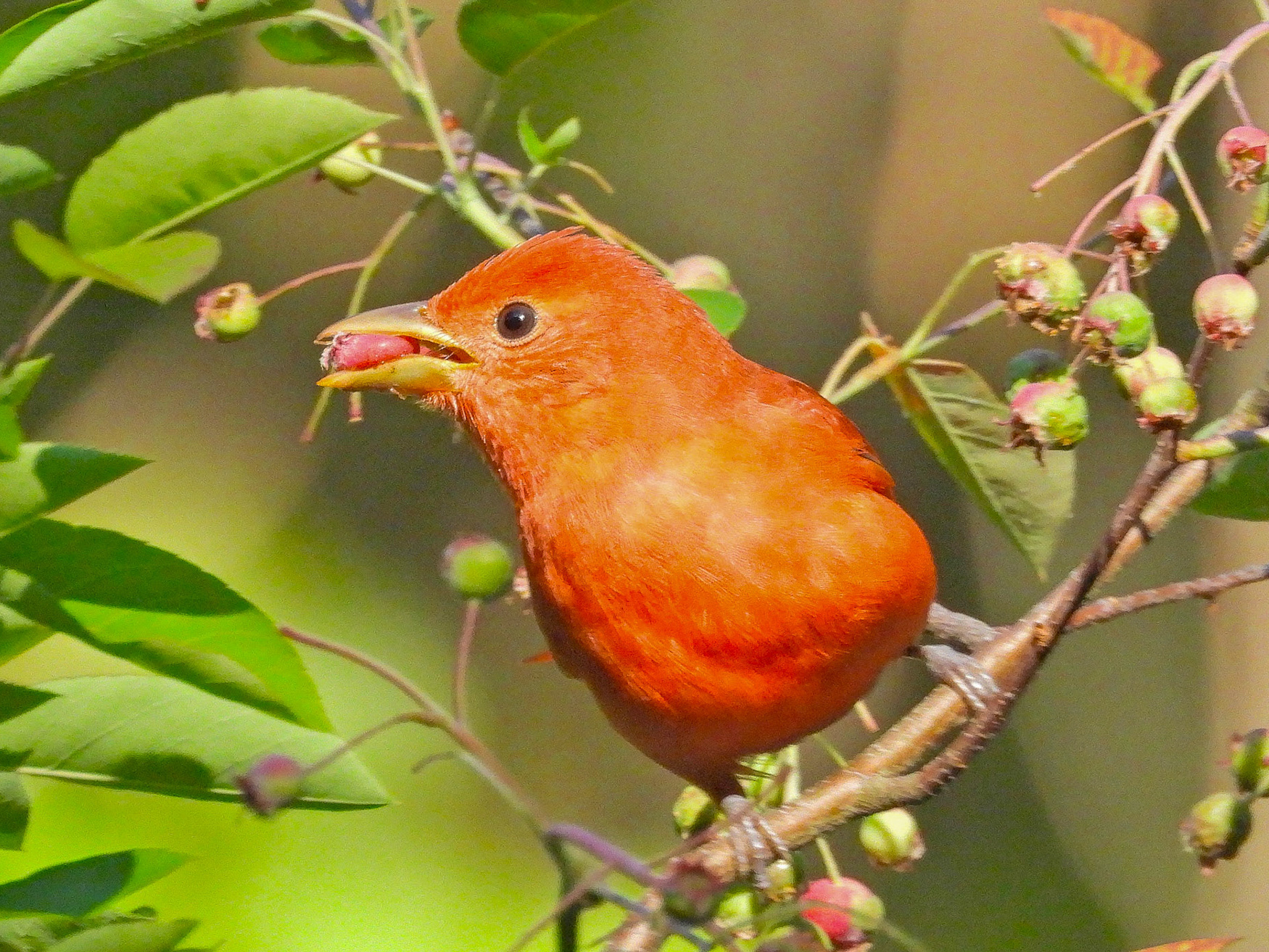
Huntley Meadows Songbirds
Huntley Meadows is a 1500-acre park and wetland wildlife sanctuary in Fairfax County, Virginia. Secondary-growth forest, sprinkled with several small, native-grass and wildflower meadows surround much of the wetland habitat.
2026
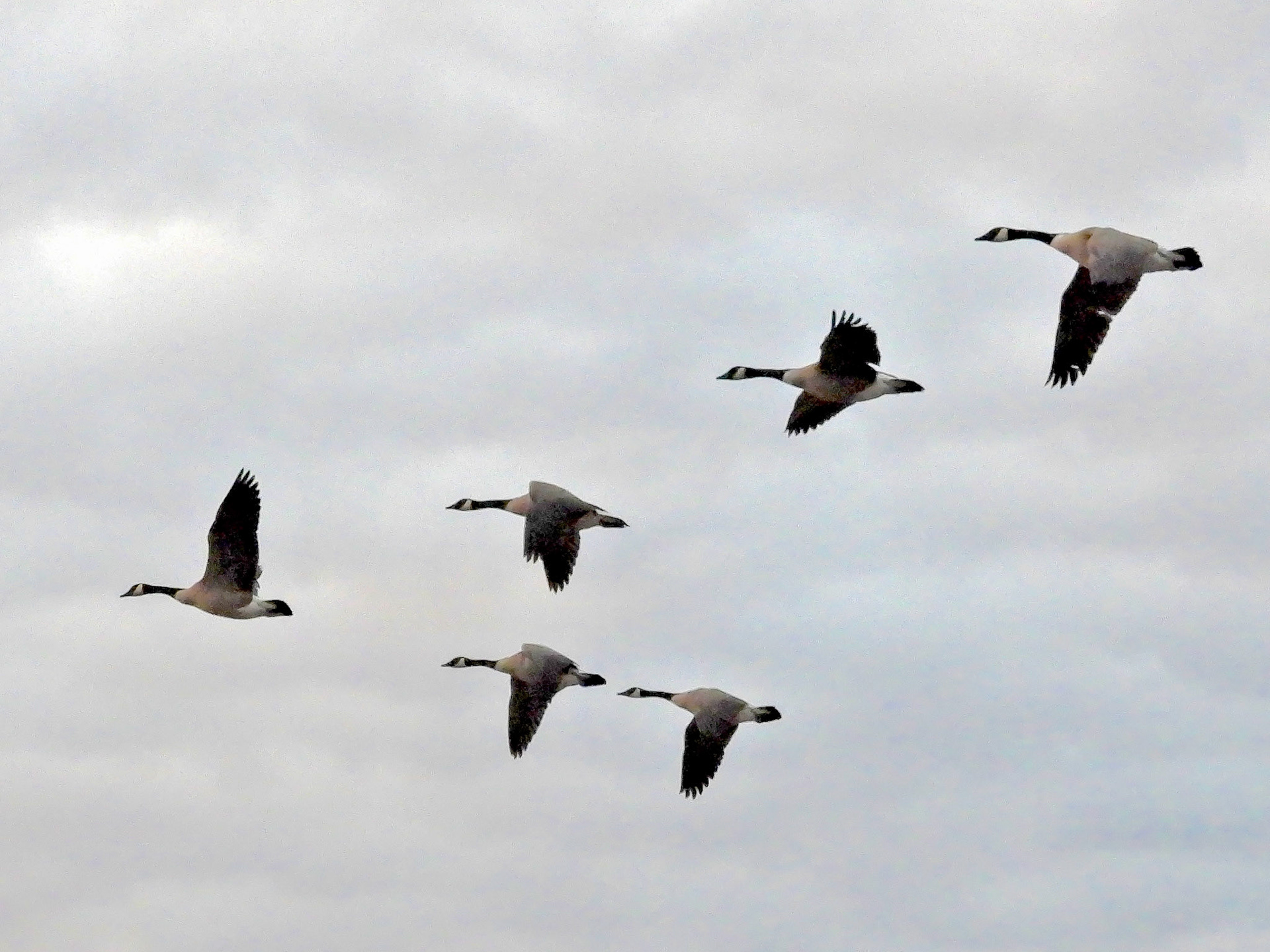
Huntley Meadows Waterfowl, Shore, and Wading Birds
Huntley Meadows is a 1500-acre park and wetland wildlife sanctuary in Fairfax County, Virginia. Secondary-growth forest, sprinkled with several small, native-grass and wildflower meadows surround much of the wetland habitat.
2026
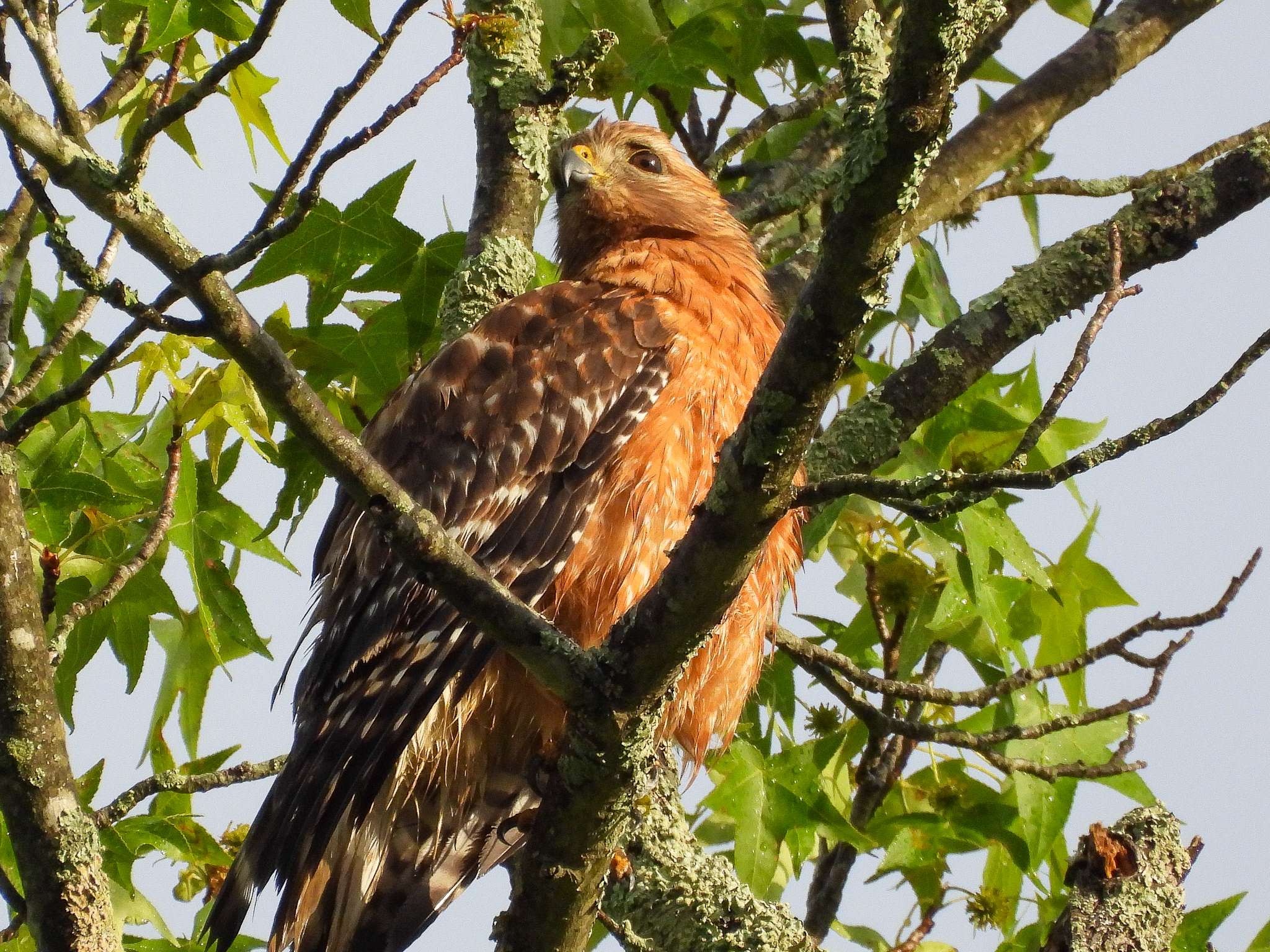
Huntley Meadows Park Miscellany
Huntley Meadows is a 1500-acre park and wetland wildlife sanctuary in Fairfax County, Virginia. Secondary-growth forest, sprinkled with several small, native-grass and wildflower meadows surround much of the wetland habitat. This gallery features raptors, mammals, reptiles, amphibians, and landscapes.
2026
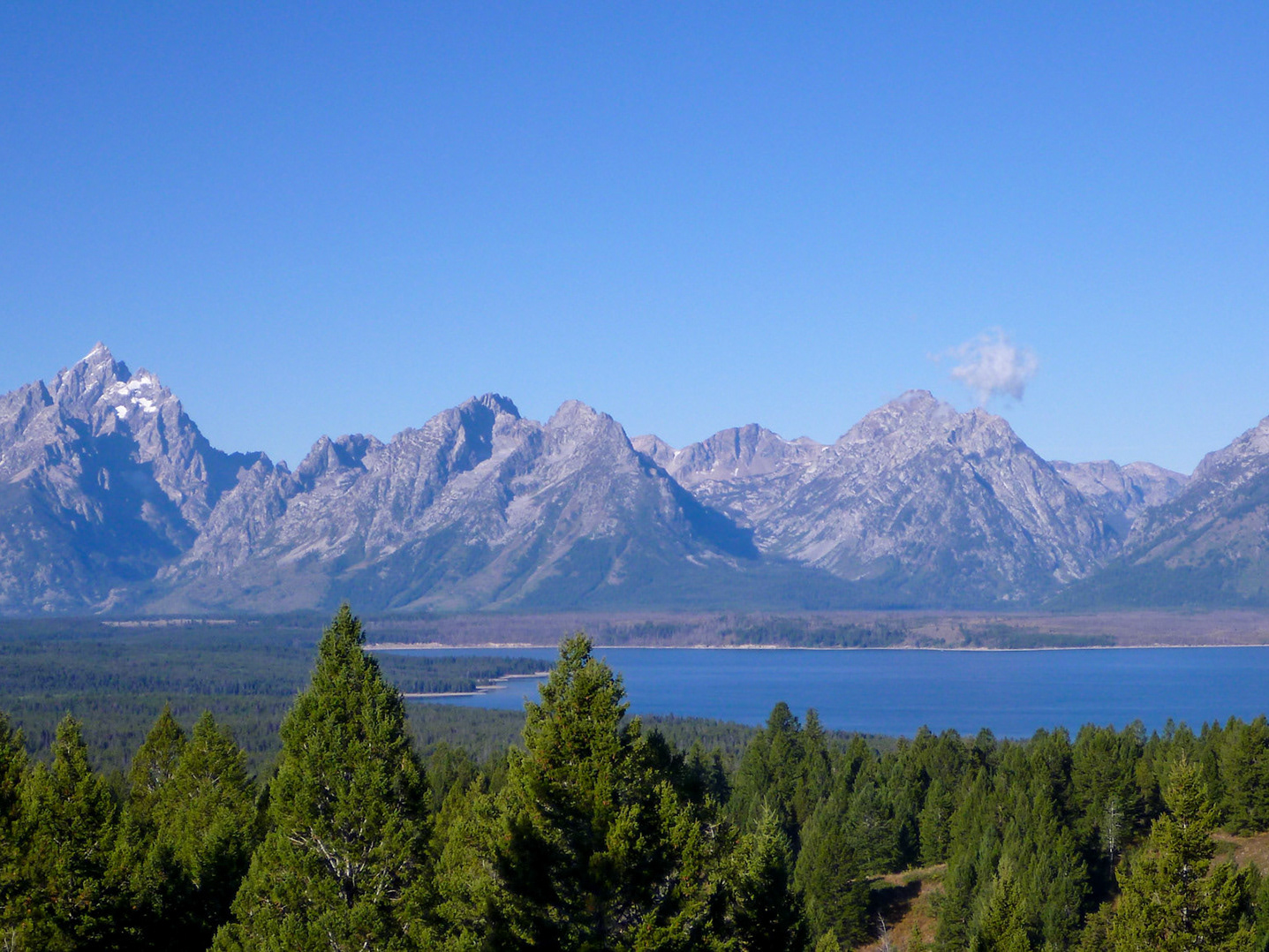
Jackson Hole & the Tetons
2026
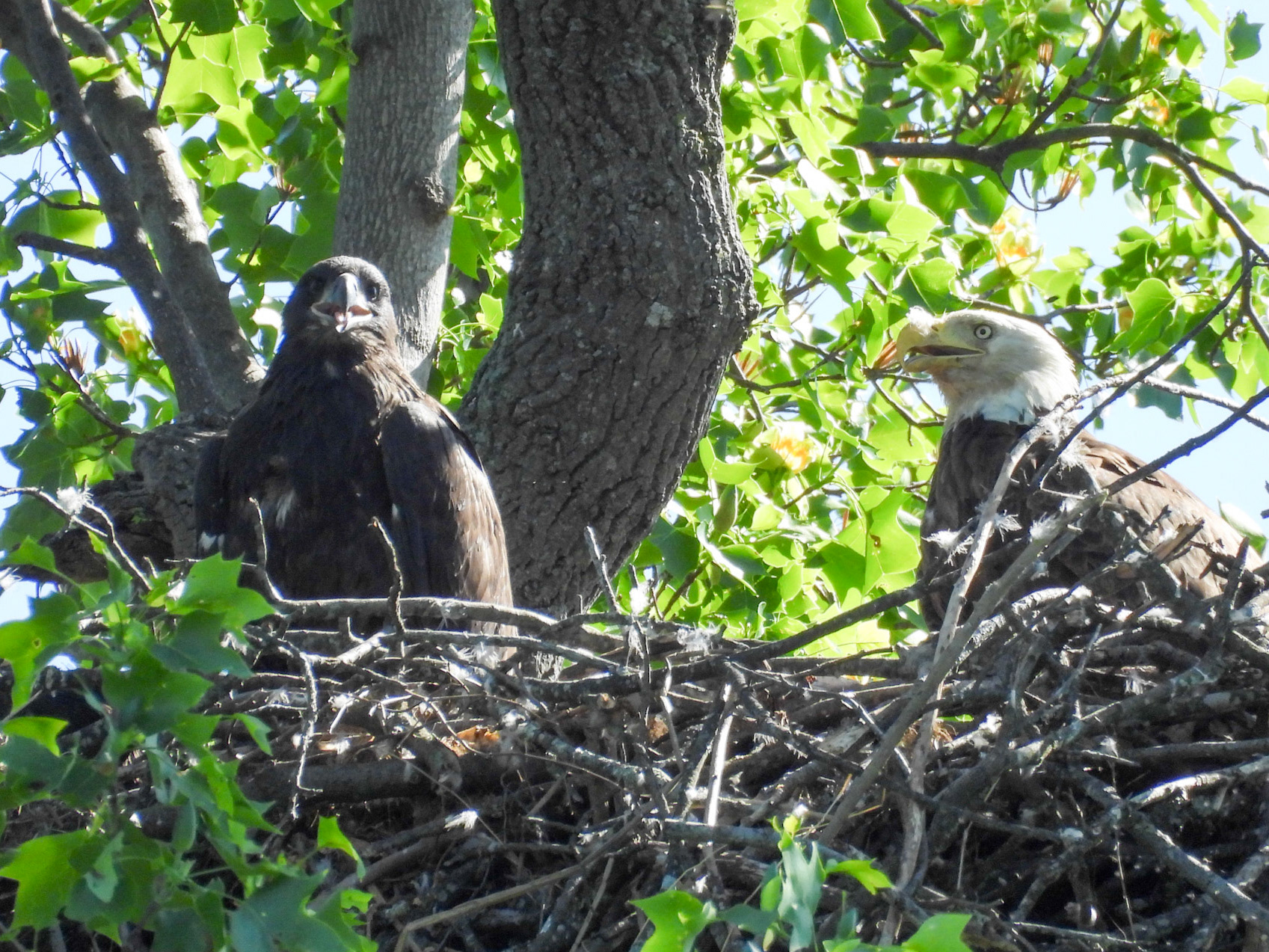
Bald Eagle Family Album 2025
Chronicle of a family of Bald Eagles in Dyke Marsh Nature Preserve
2025

Can an Osprey Eat in Peace?
2025

Can a Fox Eat in Peace?
2025

Mobbing of an Apex Predator
2025
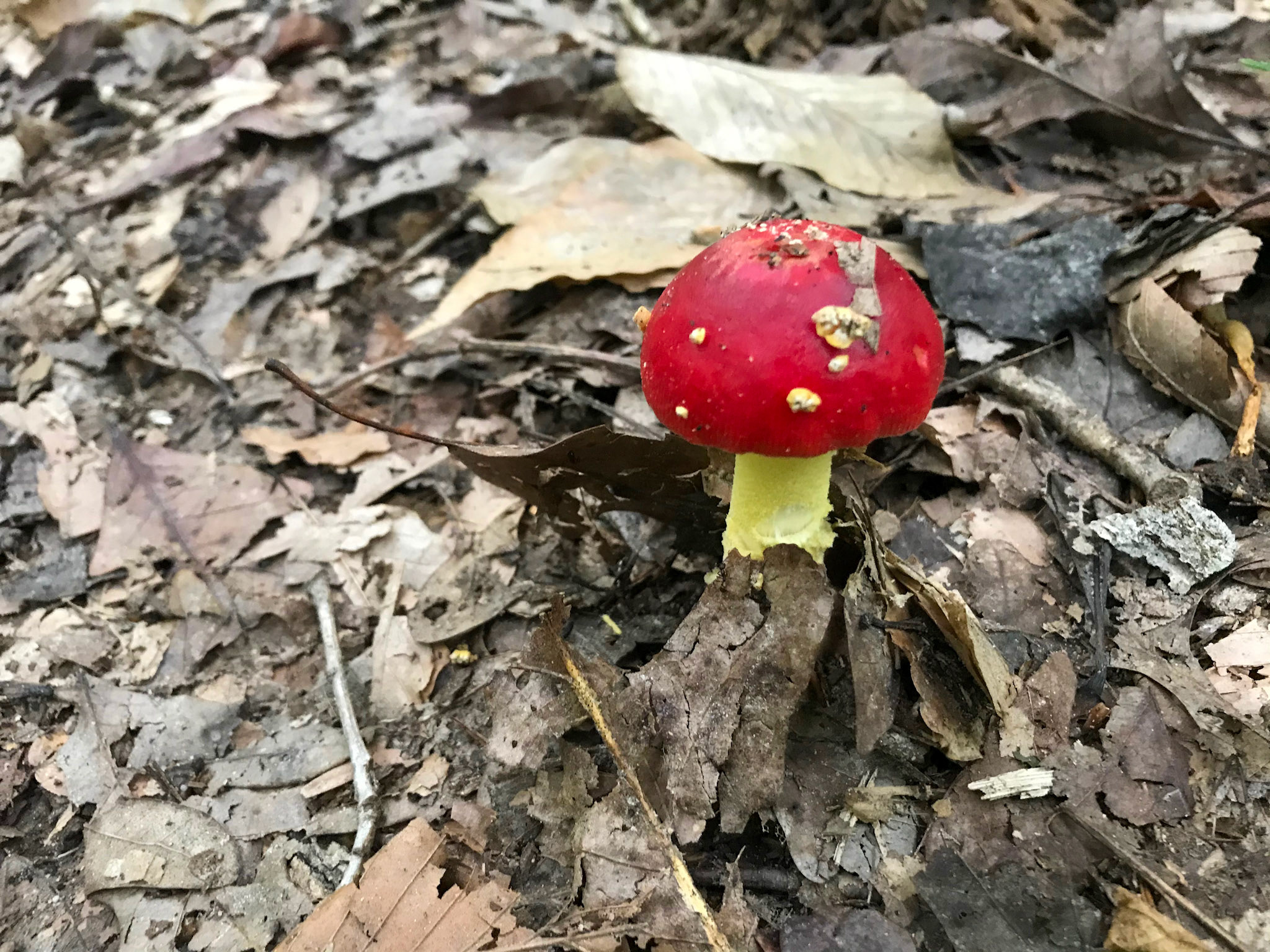
Fungi
2025

Blood Moon - March 13-14, 2025
A Blood Moon refers to a total lunar eclipse, during which the Earth passes between the Sun and the Moon. This alignment blocks direct sunlight from reaching the Moon, causing it to take on a reddish hue. The red color occurs because the Earth's atmosphere scatters shorter blue wavelengths of light, allowing only the longer red wavelengths to reach the Moon.
2025